Updated Mar 2026 · 18 min read
ProblemWater Leaking Into Garage:
Causes, Fixes, and Prevention
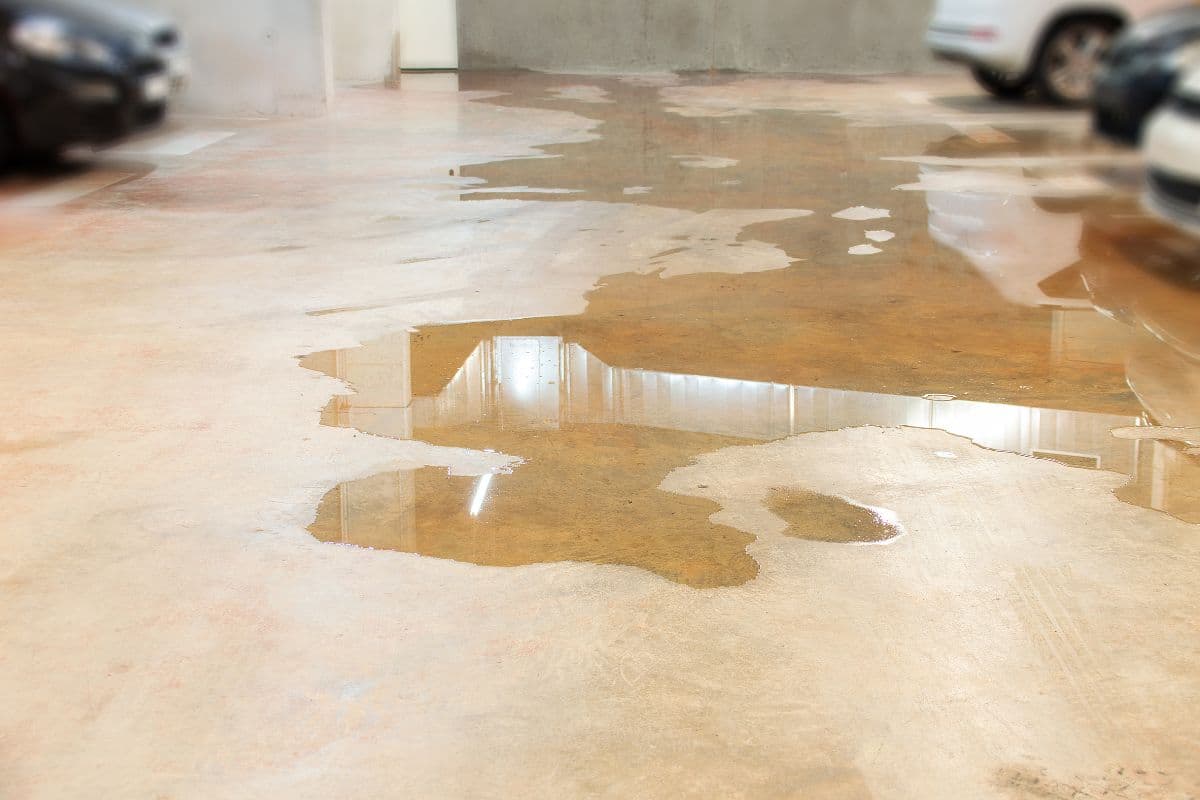
Water in your garage is caused by one of six things. Most are fixable for under $200 in materials.
Water in your garage is caused by one of six things: a worn garage door seal, poor exterior drainage, floor cracks, foundation seepage, roof leaks traveling down walls, or a hidden plumbing leak.
The fastest way to diagnose the problem is by where the water appears. Water along the bottom of the door is a seal or drainage issue. Water seeping up through the floor is a crack or a groundwater issue. Water running down a wall is a roof, flashing, or plumbing issue.
Most garage water problems are fixable for under $200 in materials. A few require professional help. This guide walks you through diagnosis by location, the specific fix for each cause, and how to prevent the problem from returning.
Diagnose by Where the Water Appears
Find where your water is showing up. The location tells you the cause.
| Where Water Appears | Most Likely Cause | DIY Fix & Cost |
|---|---|---|
| Along the bottom of the garage door | Worn door seal or threshold gap | Replace bottom weatherstrip or install threshold seal — $15 to $50 |
| Pooling in front of the door (inside) | Driveway slopes toward garage | Install a channel/trench drain in front of the door — $100 to $300 DIY |
| Spreading across the floor after rain | Exterior grading directs water toward garage | Re-grade soil to slope away from foundation, extend downspouts — $50 to $500 |
| Seeping up through floor cracks | Hydrostatic pressure or rising water table | Seal cracks with epoxy/polyurethane filler (may need sump pump) — $25 to $500 |
| Damp or wet patches on floor (no rain) | Condensation or sub-slab moisture | Improve ventilation, run dehumidifier, apply concrete sealer — $30 to $300 |
| Running down interior wall | Roof leak, failed flashing, or gutter overflow | Fix roof/flashing, clean/extend gutters — $50 to $500 |
| Wet spot on wall near plumbing | Hidden pipe leak | Call a plumber — $150 to $500 |
| Puddle under water heater or appliance | Appliance leak | Repair or replace the appliance — Varies |
Fix 1: Replace the Garage Door Bottom Seal
The Problem
The rubber weatherstrip along the bottom of the garage door is the first line of defense against water. After 5 to 10 years, it compresses, cracks, hardens, or tears. When the seal fails, rainwater, snowmelt, and wind-driven water flow under the door.
How to Diagnose
Close the door and look at the bottom from inside. You should see a flexible rubber seal pressing firmly against the floor with no daylight gaps. If you see gaps, cracks, or sections where the rubber is stiff and no longer makes contact, the seal needs replacement.
The Fix
Replacement bottom seals cost $15 to $40 at any home improvement store. The seal slides into a channel retainer on the bottom of the door. To replace it, open the door, slide the old seal out from one end, slide the new seal in, and trim to length. Takes 15 to 30 minutes. No tools needed beyond a utility knife.
For extra protection: Install a garage door threshold seal ($20 to $50) on the floor where the door meets the concrete. This creates a raised rubber barrier that the door presses down onto when closed, blocking water even if the bottom seal has minor gaps. Threshold seals adhere to the concrete floor with included adhesive.
Fix 2: Address Driveway and Grading Issues
The Problem
If your driveway slopes toward the garage even slightly, every rainstorm funnels water directly at the door. If the soil around the garage foundation slopes toward the structure instead of away from it, surface runoff soaks the foundation and seeps inside.
How to Diagnose
During a rainstorm, watch where water flows. Does it pool in front of the garage door? Does it run along the foundation walls? The ground should slope away from the garage at a rate of at least 1 inch per foot for the first 6 feet.
The Fixes
- Trench drain ($100 to $300 DIY, $500 to $1,500 professional): A channel drain installed in the concrete in front of the garage door intercepts water before it reaches the door. This is the most effective solution for driveways that slope toward the garage.
- Re-grade soil ($50 to $300 DIY): Add topsoil along the foundation perimeter to create a slope away from the garage. The ground should drop at least 6 inches over the first 6 feet from the foundation wall.
- Extend downspouts ($10 to $30 per downspout): Downspouts should discharge water at least 5 feet from the foundation. If yours dump water right next to the garage, add extensions or splash blocks. This is the cheapest and easiest drainage fix.
According to the Federal Emergency Management Agency (FEMA), proper drainage around structures is one of the most effective measures for preventing water intrusion and flood damage.
Fix 3: Seal Floor Cracks
The Problem
Concrete garage floors develop cracks over time from settling, freeze-thaw cycles, and shrinkage. These cracks allow groundwater to seep up into the garage, especially during heavy rain or spring snowmelt when the water table rises.
How to Diagnose
Inspect the floor for visible cracks. If water appears along crack lines during or after rain, groundwater is pushing up through the cracks.
The Fix
Clean the cracks thoroughly (remove loose debris, dust, and moisture). Apply an epoxy or polyurethane concrete crack filler ($10 to $25 per tube). For cracks wider than 1/4 inch, use a backer rod first, then fill with sealant.
For persistent seepage through multiple cracks, apply a waterproof concrete sealer ($30 to $80 per gallon) across the entire floor surface after repairing individual cracks.
If seepage continues after sealing: You may have a high water table or hydrostatic pressure issue. A sump pump ($200 to $500 installed) may be needed to manage subsurface water. This is a situation where homeowners with basements face the exact same challenge. If you also have a basement with water issues, our sister site covers the full range of solutions in their basement waterproofing guide.
Fix 4: Stop Wall Leaks
The Problem
Water running down the interior of a garage wall is almost never a wall problem. It is a roof, flashing, or gutter problem. Water enters at the roofline, travels down the inside of the wall framing, and appears at the base of the wall or as damp spots on the drywall.
How to Diagnose
Look for water stains, discoloration, or bubbling paint on the wall. Check if the wet area aligns with the roofline above. From outside, inspect the roof edge, flashing, and gutters directly above the wet spot.
Common Causes and Fixes
- Clogged gutters ($0 DIY): If gutters overflow during rain, water cascades down the exterior wall and finds its way inside through gaps. Clean the gutters. Check that downspouts are clear and flowing.
- Failed flashing ($50 to $200 DIY, $200 to $500 pro): Flashing where the roof meets the garage wall can separate, rust, or lift over time. Resealing with roofing caulk is a temporary fix. Replacing the flashing is the permanent solution.
- Roof damage ($200 to $1,000 depending on scope): Missing shingles, cracked vent boots, or damaged roof sections above the garage allow direct water entry. Inspect the roof or have a roofer assess it.
- Sill plate seepage ($10 to $30): The sill plate is where the wall framing meets the concrete foundation. Gaps here let water in. Seal with caulk or expanding foam from the inside.
Fix 5: Handle Condensation
The Problem
Sometimes the leak is not a leak at all. In humid climates or during temperature swings (cold concrete floor, warm moist air), condensation forms on the garage floor and walls. It looks like seepage but the water is coming from the air, not the ground.
How to Diagnose
The water appears during humid weather but not specifically during rain. The floor or walls feel damp uniformly rather than along cracks or specific entry points. The garage may have a musty smell.
The Fix
Improve air circulation by opening windows or installing a ventilation fan ($50 to $150). Run a dehumidifier ($150 to $300) to reduce moisture levels. Apply a concrete sealer to the floor to reduce moisture absorption. If your garage is insulated, ensure the vapor barrier is installed correctly.
Prevention Checklist
These items prevent most garage water problems before they start. Run through this list seasonally.
Gutters and Downspouts
Clean gutters twice per year (spring and fall). Verify downspouts discharge at least 5 feet from the foundation. Check for clogs after storms.
Garage Door Seal
Inspect the bottom weatherstrip every 6 months. Replace when it shows cracks, gaps, or permanent compression. Budget $15 to $40 every 5 to 7 years.
Exterior Grading
Walk the perimeter of the garage annually. Soil should slope away from the foundation at 1 inch per foot for 6 feet. Add topsoil where settling has reversed the slope.
Floor Cracks
Seal new cracks promptly. Small cracks that are ignored become big cracks that let water in.
Roof and Flashing
Inspect the roof above the garage once per year, especially after severe storms. Look for missing shingles, lifted flashing, and cracked vent boots.
Epoxy Floor Coating
While epoxy does not stop water from below (hydrostatic pressure), it does prevent surface water from penetrating the concrete. A sealed floor is easier to dry and resists mold growth.
Frequently Asked Questions
Why is water coming into my garage when it rains?
The most common cause is a worn garage door bottom seal ($15 to $40 to replace) or poor exterior drainage directing rainwater toward the garage. Check the door seal for gaps first. Then watch where water flows during rain to determine if grading, gutters, or the driveway slope are directing water toward the garage.
How do I stop water from coming under my garage door?
Replace the bottom weatherstrip if it is worn or cracked ($15 to $40). Install a threshold seal on the floor for added protection ($20 to $50). If the driveway slopes toward the garage, a trench drain in front of the door ($100 to $300 DIY) is the permanent solution.
Why is water seeping up through my garage floor?
Groundwater is pushing up through cracks in the concrete slab due to hydrostatic pressure. This is most common during heavy rain or spring snowmelt when the water table rises. Seal visible cracks with epoxy or polyurethane filler ($10 to $25). For persistent seepage, a waterproof concrete sealer ($30 to $80) or a sump pump ($200 to $500) may be needed.
Is water in the garage a serious problem?
Yes. Standing water causes concrete deterioration, mold growth which can spread to the house, rust damage to tools and stored items, and potential structural issues if water is entering through the foundation. Even small amounts of recurring water should be addressed to prevent escalation.
Can I waterproof my garage floor?
Yes. A penetrating concrete sealer ($30 to $80 per gallon) blocks moisture from absorbing into the concrete from above. An epoxy floor coating provides a waterproof surface layer. Neither option stops water pressure from below (hydrostatic pressure) through cracks, which requires crack sealing, drainage improvements, or a sump pump.
Should I call a professional or DIY?
Most garage water problems are DIY-fixable. Seal replacement, gutter cleaning, downspout extensions, crack filling, and grading adjustments all require basic tools and under $200 in materials. Call a professional for roof repairs, foundation crack injection, sump pump installation, or trench drain installation in concrete.
Glossary
Weatherstrip (bottom seal)
A flexible rubber gasket attached to the bottom of the garage door that creates a watertight seal against the floor when closed. Wears out every 5 to 10 years and is the most common cause of water leaking under a garage door.
Threshold seal
A rubber strip adhered to the garage floor where the door meets the concrete. Creates a raised barrier that the door presses against when closed. Provides a secondary water barrier in addition to the bottom seal.
Hydrostatic pressure
The force of underground water pushing upward against the bottom of a concrete slab. Causes water to seep through cracks and joints in the floor, especially during periods of high rainfall or elevated water table.
Trench drain (channel drain)
A long, narrow drain recessed into the concrete in front of the garage door. Intercepts surface water before it reaches the door and channels it to a drainage outlet.
Grading
The slope of the soil around a structure. Proper grading directs surface water away from the foundation. The recommended grade is a 1-inch drop per foot for the first 6 feet from the foundation wall.
Flashing
Thin metal strips installed where the roof meets a wall to direct water away from the joint. Failed or lifted flashing is a common cause of water entering through garage walls from above.
Sump pump
A pump installed in a pit below the garage floor that collects subsurface water and discharges it away from the foundation. Used when hydrostatic pressure causes persistent floor seepage.
Concrete sealer
A liquid coating applied to concrete surfaces that fills pores and blocks moisture absorption. Penetrating sealers soak into the concrete. Film-forming sealers create a surface barrier. Neither type stops hydrostatic pressure from below.
Related Articles
Garage Door Opener Not Working?
Diagnose and fix common opener problems including remote failures, sensor issues, and grinding noises.
COST GUIDEGarage Floor Coating Cost 2026
Compare epoxy, polyurea, and polyaspartic options with real pricing and pros and cons.
REVIEWBest Garage Floor Epoxy Kits 2026
We tested and ranked 5 DIY epoxy kits by durability, ease of use, and value.
GUIDEHow to Insulate Your Garage
Complete DIY guide including vapor barriers, R-values by climate zone, and step-by-step installation.
COST GUIDEGarage Door Replacement Cost 2026
A new garage door costs $800 to $4,000 installed. Complete pricing by material, style, and size.
GUIDEGarage Heater Guide
Compare forced air, infrared, mini-split, and portable garage heaters with costs and BTU requirements.
Get Free Quotes for Garage Water Repair
Connect with local contractors who specialize in garage drainage, waterproofing, and repair.