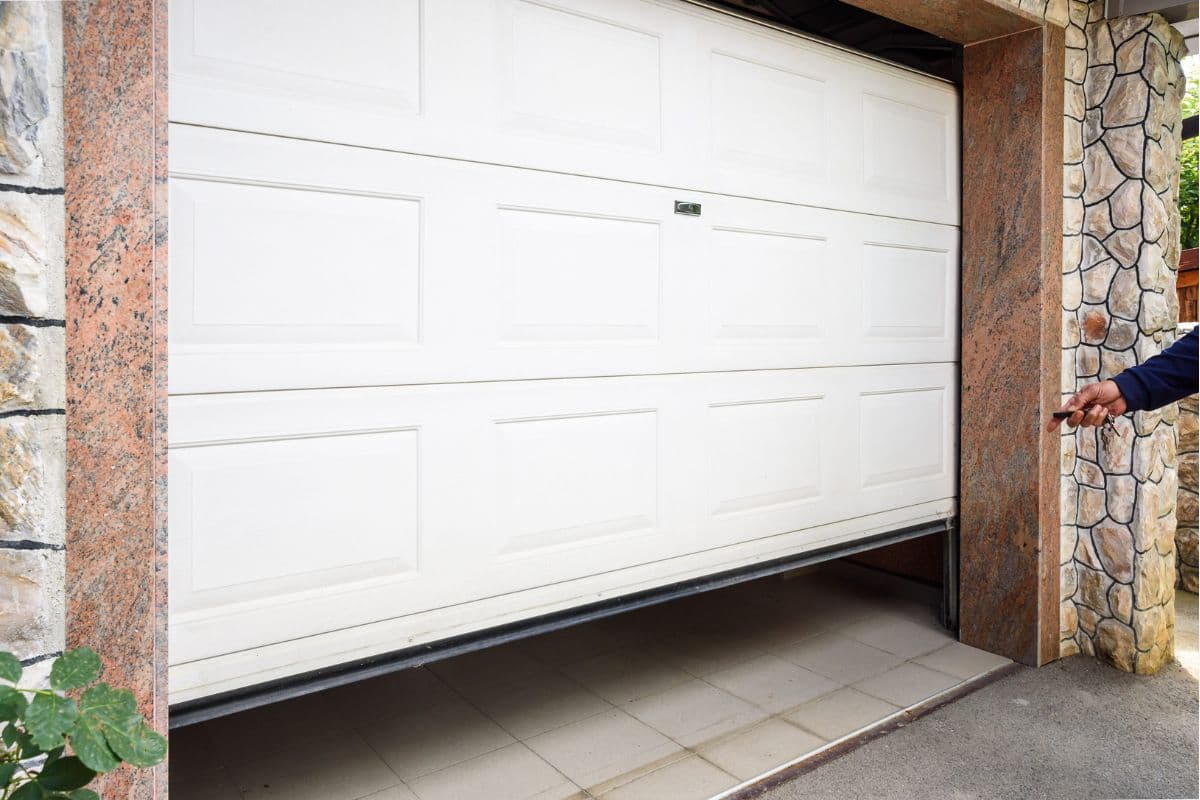
An uninsulated garage can reach 10 to 18 degrees Fahrenheit hotter than the outside temperature on a sunny day. When it is 95 degrees outside, your garage can hit 110 to 115 degrees. That makes it unusable as a workshop, gym, or hobby space and can damage stored items, stress your car's battery, and even push heat into your house through the shared wall.
Every guide on this topic gives you a random list of tips. We ranked every cooling method by cost and effectiveness so you can make the right decision for your budget and your garage.
If your garage has the opposite problem, see our garage heater guide for winter solutions.
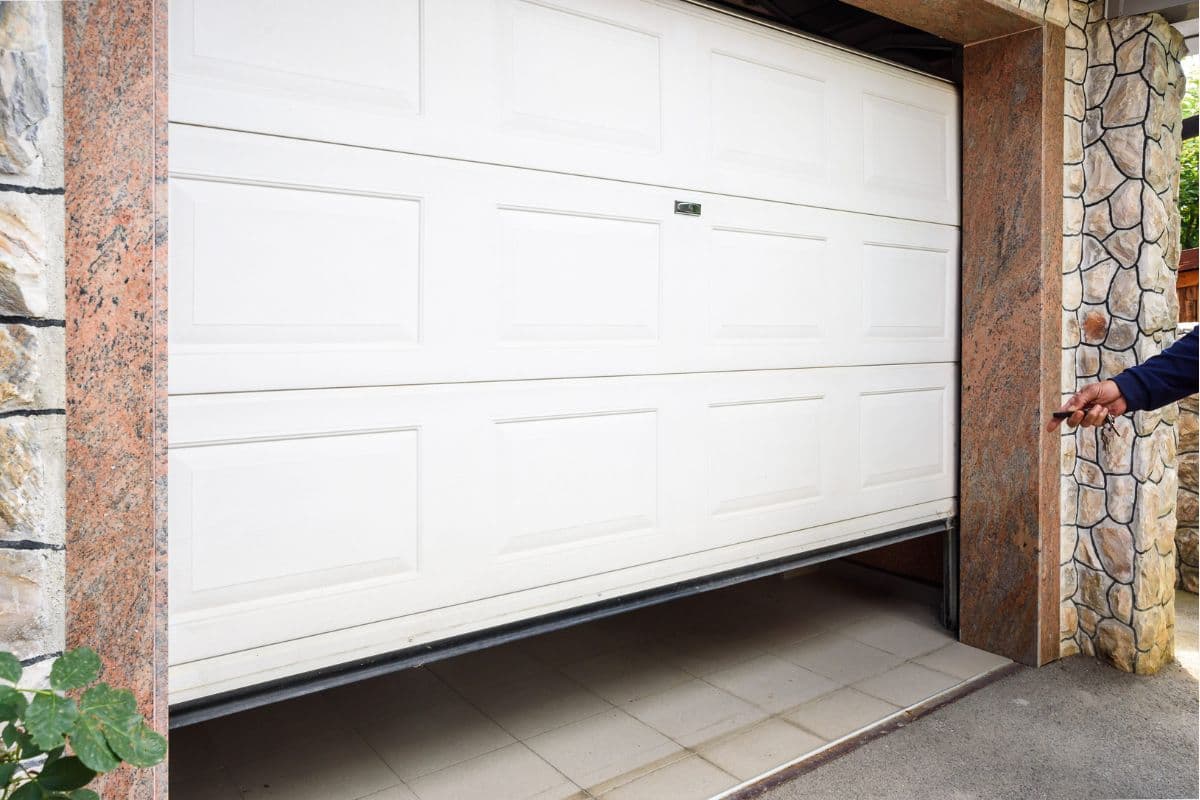
Why Your Garage Gets So Hot
Before spending money on cooling solutions, understand what is causing the heat. Your garage is hot for one or more of these reasons, and the fix depends on which ones apply to you.
| Heat Source | How It Heats Your Garage | How to Identify It |
|---|---|---|
| No insulation in walls or ceiling | Heat transfers directly through uninsulated drywall, studs, and roof sheathing | Touch the interior walls and ceiling on a hot afternoon. If they are hot to the touch, you have an insulation problem. |
| Uninsulated garage door | A steel or aluminum door in direct sun acts like a radiator, heating the entire space | The door feels extremely hot on the inside. The air near the door is noticeably hotter than the rest of the garage. |
| No ventilation | Hot air has no way to escape. It accumulates and bakes all day. | The garage feels stuffy and stagnant even with the main door closed. Opening the door releases a blast of trapped hot air. |
| Sun-facing orientation | A west or south-facing garage door receives direct afternoon sun during the hottest hours | Your garage is hottest between 2pm and 6pm. The door and driveway are in full sun during that window. |
| Dark-colored door or roof | Dark surfaces absorb up to 90% of solar radiation vs 30 to 50% for light colors | You have a black, dark brown, or dark gray garage door or roof. |
| Hot car parked inside | A car driven on a 95-degree day radiates heat from the engine, exhaust, brakes, tires, and body panels for hours | The garage gets noticeably hotter within 30 minutes of parking the car inside. |
| Concrete slab absorbing heat | Concrete absorbs heat during the day and radiates it back at night, keeping the garage warm even after sunset | The garage floor feels warm to the touch even after the sun goes down. |
| Clutter blocking airflow | Boxes, equipment, and stored items trap heat pockets and prevent air circulation | Cluttered areas of the garage feel noticeably hotter than open areas. |
Most garages have three or four of these problems simultaneously. The good news is that fixing even one or two makes a noticeable difference.
Every Cooling Method Ranked by Cost
We ranked every common garage cooling method from cheapest to most expensive. The temperature reduction column shows the expected drop in perceived or actual temperature compared to doing nothing.
| Method | Cost | Temp Reduction | Best For | Effort |
|---|---|---|---|---|
| Park hot car outside | $0 | 5-10°F | Anyone who parks in the garage | None |
| Open door for ventilation | $0 | 5-15°F | Mornings and evenings when outside air is cooler | None |
| Declutter for airflow | $0 | 2-5°F | Packed garages with poor circulation | Low |
| High-velocity fan | $30-$60 | 5-10°F felt | Personal cooling while working | None |
| Garage door insulation kit | $50-$150 | 5-10°F | Uninsulated metal garage doors | Low |
| Weatherstripping and sealing | $20-$75 | 2-5°F | Drafty doors with visible gaps | Low |
| Light-colored door paint | $30-$80 | 5-10°F surface | Dark-colored sun-facing doors | Low |
| Radiant barrier on ceiling | $100-$300 | 5-10°F | Garages with attic above | Moderate |
| Powered exhaust vent | $100-$400 | 10-20°F | Garages that trap hot air | Moderate |
| Wall and ceiling insulation | $500-$2,000 | 10-20°F | Uninsulated garages used as workshops | High |
| Window AC unit | $150-$400 | 20-30°F | Garages with a window | Low |
| Portable AC unit | $300-$600 | 15-25°F | Temporary cooling, no window needed | Low |
| Ductless mini-split AC | $2,000-$5,000 | 30-40°F | Full climate control year-round | Professional |
Start at the top of this list and work down. The free and low-cost methods often solve the problem on their own. If they do not, each additional step stacks on top of the previous ones for a cumulative effect.
Free Fixes (Cost: $0)
Park Your Hot Car Outside
A car driven on a 95-degree day radiates heat from the engine, exhaust system, brakes, tires, and body panels for one to two hours after parking. That heat has nowhere to go in a closed garage. The fix is simple: park outside until the car cools down, or leave the garage door open for 30 minutes after parking. This alone can drop garage temperature by 5 to 10 degrees.
Open the Door for Cross Ventilation
Open the garage door partially during cool morning and evening hours to let hot air escape and pull in cooler outside air. If you have a side door or window, open it at the same time to create cross ventilation. This is most effective before 10am and after 7pm when outside air is cooler than the trapped garage air.
Declutter for Better Airflow
Boxes, bins, and equipment stacked against walls and in corners trap heat pockets and block air circulation. Clear a path around the perimeter of the garage and move items away from walls. This makes every other cooling method more effective because air can actually circulate.
Low-Cost Fixes ($20 - $150)
High-Velocity Shop Fan ($30 - $60)
A fan does not lower the actual air temperature. It creates a windchill effect that makes you feel 5 to 10 degrees cooler while the air is moving across your skin. For working in the garage, this is often enough. Place a high-velocity drum fan or pedestal fan to blow directly on your work area. A fan costs $0.01 to $0.03 per hour to run.
Garage Door Insulation Kit ($50 - $150)
An uninsulated steel or aluminum garage door in direct sun acts like a radiator. A foam insulation kit cuts heat transfer through the door by 50 to 70 percent. Installation takes one to two hours. See our complete garage insulation guide for detailed instructions.
Weatherstripping and Door Seals ($20 - $75)
Check the bottom seal, side seals, and top seal of your garage door. If you see daylight around the edges, hot air is pouring in. A new bottom seal costs $15 to $40 and a complete weatherstripping kit costs $20 to $50.
Paint the Door a Lighter Color ($30 - $80)
A dark-colored garage door absorbs up to 90 percent of solar radiation. A light-colored door reflects 50 to 70 percent. Repainting a dark door white, beige, or light gray can reduce the door surface temperature by 20 to 40 degrees on a sunny day.
Mid-Range Solutions ($100 - $2,000)
Radiant Barrier on the Ceiling ($100 - $300)
If your garage has an attic above with no ceiling insulation, the sun-heated roof radiates heat directly into the garage. A radiant barrier reflects up to 97 percent of radiant heat and can reduce attic temperature by 20 to 30 degrees, translating to 5 to 10 degrees cooler in the garage below.
Powered Exhaust Vent or Gable Fan ($100 - $400)
A powered exhaust vent mounted high on the wall actively pulls hot air out of the garage. A thermostat-controlled model turns on automatically when the temperature reaches a set point. This can reduce garage temperature by 10 to 20 degrees. Pair it with an intake vent low on the opposite wall for maximum airflow.
Wall and Ceiling Insulation ($500 - $2,000)
Insulation works in both directions. It keeps heat out in summer and cold out in winter. Full insulation reduces garage temperature by 10 to 20 degrees in summer and makes every other cooling method more effective. See our garage insulation guide for complete instructions.
Air Conditioning Options ($150 - $5,000)
If passive cooling methods are not enough, air conditioning is the only way to get true temperature control. But AC in a garage only works well if the space is at least partially insulated.
Window AC Unit ($150 - $400)
If your garage has a window, a window AC unit is the cheapest way to get real cooling. A 10,000 to 14,000 BTU unit can cool a 2-car garage. Operating cost is $30 to $60 per month.
Portable AC Unit ($300 - $600)
A portable AC does not require a window but does need an exhaust hose vented outside. Portable units are less efficient than window units and work best as a temporary solution. Expect $40 to $80 per month in operating costs.
Ductless Mini-Split AC ($2,000 - $5,000 Installed)
A ductless mini-split heat pump is the best permanent solution for garage climate control. It provides both cooling and heating, runs quietly, and is the most energy-efficient option. Installation requires a licensed HVAC technician. Operating cost is $30 to $80 per month.
What to Do Based on Your Situation
| Your Situation | Recommended Fix | Budget |
|---|---|---|
| I just want to work in the garage occasionally | Fan + open door ventilation | $0 - $60 |
| My garage door is burning hot | Insulation kit + light-colored paint | $80 - $230 |
| The garage is stuffy with no airflow | Powered exhaust vent + intake vent | $100 - $400 |
| I use the garage as a workshop or gym daily | Insulation + exhaust vent + window AC | $700 - $2,500 |
| I want full climate control year-round | Insulation + mini-split AC | $2,500 - $7,000 |
Every situation benefits from starting with the free fixes first. Even if you plan to install a mini-split, parking the car outside and adding door insulation reduces the load on the AC and lowers your operating costs.
Frequently Asked Questions
Why is my garage so much hotter than outside?
Garages trap heat because they have poor ventilation, minimal or no insulation, and large metal surfaces that absorb solar radiation. The concrete slab also stores heat during the day and releases it slowly. An uninsulated garage can be 10 to 18 degrees hotter than outside air temperature.
What is the cheapest way to cool a garage?
Park your hot car outside until it cools ($0), open the door during cool morning and evening hours ($0), and add a high-velocity shop fan ($30 to $60). For a more permanent low-cost fix, install a garage door insulation kit ($50 to $150) and seal any weatherstripping gaps ($20 to $75).
Is it worth insulating a garage just for cooling?
Yes. Insulation works in both directions. It keeps heat out in summer and cold out in winter. Wall and ceiling insulation ($500 to $2,000 professionally installed) reduces garage temperature by 10 to 20 degrees in summer and makes heating cheaper in winter.
Will a fan cool my garage?
A fan does not lower the actual air temperature. It creates windchill that makes you feel 5 to 10 degrees cooler while the air is moving across your skin. For actual temperature reduction, you need ventilation, insulation, or air conditioning.
What is the best AC for a garage?
A ductless mini-split heat pump ($2,000 to $5,000 installed) is the best permanent solution. It provides cooling and heating, runs efficiently, and does not require ductwork. For a lower-cost option, a window AC unit ($150 to $400) works if your garage has a window.
How much does it cost to cool a garage?
Free strategies cost nothing. A door insulation kit and fan cost $75 to $200 total. Full insulation plus a powered vent costs $500 to $2,500. A mini-split AC system costs $2,000 to $5,000 installed with monthly operating cost of $30 to $80.
Does garage door color affect temperature?
Significantly. A dark-colored garage door absorbs up to 90% of solar radiation. A light-colored door reflects 50 to 70%. Repainting a dark door a lighter color can reduce the door surface temperature by 20 to 40 degrees on a sunny day.
Can I use a portable AC in my garage?
You can, but results will be disappointing unless your garage is insulated. Portable ACs require an exhaust hose vented outside. They are best as a temporary solution. A window AC or mini-split is more effective for the same or lower operating cost.